
The Occidental Invasion – Richard Coudenhove-Kalergi
The Occidental invasion of the West, and the race mixing that will ensue, is absolutely deliberate and essential for the fulfilment of the infamous “Kalergi Plan” to genocide all white people of European descent, as outlined in the 1925 book Practical Idealism by Richard Coudenhove-Kalergi.
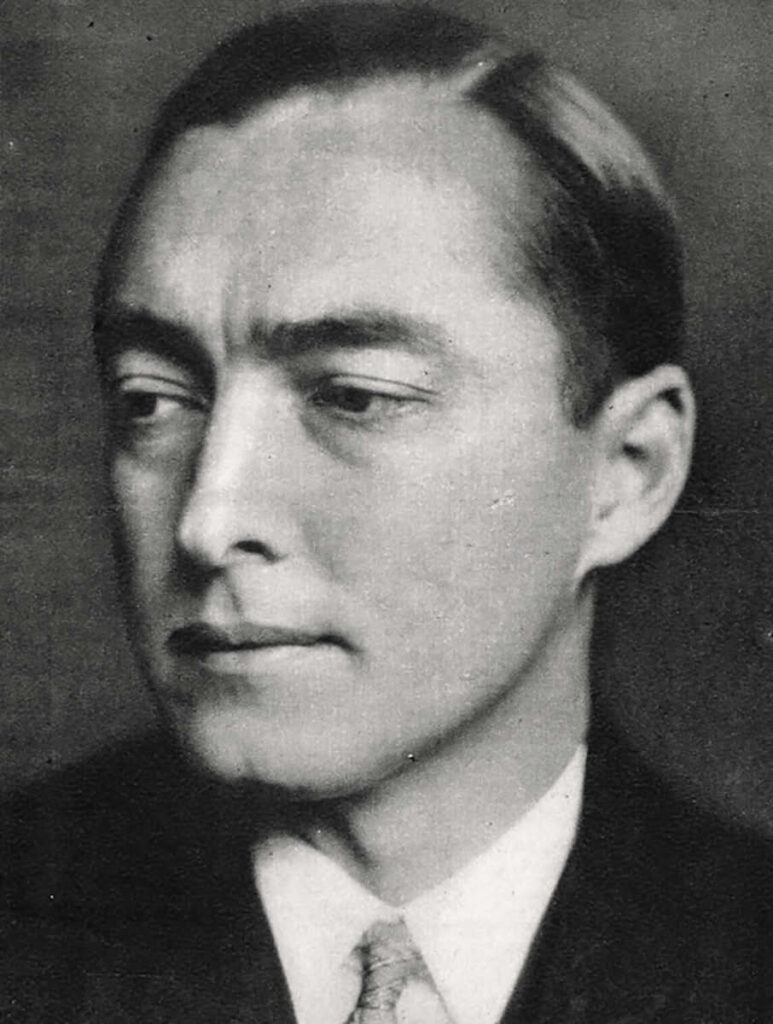
Who Was Richard Coudenhove-Kalergi?
To understand many of the political and social changes taking place in Europe today, some commentators point to ideas that were discussed nearly a century ago.
In 1925, Austrian-Japanese aristocrat Richard von Coudenhove-Kalergi published Practical Idealism, presenting his vision for Europe’s future. As the founder of the Pan-European Union, one of the earliest movements advocating European unity, he promoted the concept of a continent moving beyond traditional nation-states.
According to critics of his ideas, Kalergi envisioned a Europe in which national identities would gradually fade and be replaced by a more mixed and unified population. They argue that he favoured a society less defined by ethnic, cultural and national distinctions, believing this would create greater cohesion and stability.
Kalergi also supported the idea of a European leadership class composed of intellectuals, technocrats and financial elites who would guide the continent’s development. Support for his broader European integration project came from influential figures of the time, including Austrian Chancellor Ignaz Seipel, French statesman Aristide Briand and, later, Winston Churchill. He was also the first recipient of the Charlemagne Prize, an award that continues to recognise contributions to European unity.
Those who refer to the so-called “Kalergi Plan” argue that many developments in modern Europe reflect these early ideas. They point to large-scale immigration, multicultural policies, a declining emphasis on national identity, and the increasing influence of supranational institutions as evidence of a long-term transformation.
Supporters of this interpretation view these developments not as isolated events, but as components of a broader vision for Europe that was outlined decades ago and continues to shape the continent today.
By Raging Dissident.