
Mary Phagan, Leo Frank and the Origins of the Anti-Defamation League
The murder of 13-year-old Mary Phagan in Atlanta, Georgia, on April 26, 1913, became one of the most famous and controversial criminal cases in American history. The investigation, trial, conviction, and subsequent lynching of Leo Frank continue to be debated more than a century later.
The case also became closely associated with the early history of the Anti-Defamation League (ADL), leading to ongoing discussion about whether it influenced the organisation’s formation.
To understand that relationship, it is necessary to examine the murder of Mary Phagan, the trial of Leo Frank, and the events that followed.
The Murder of Mary Phagan
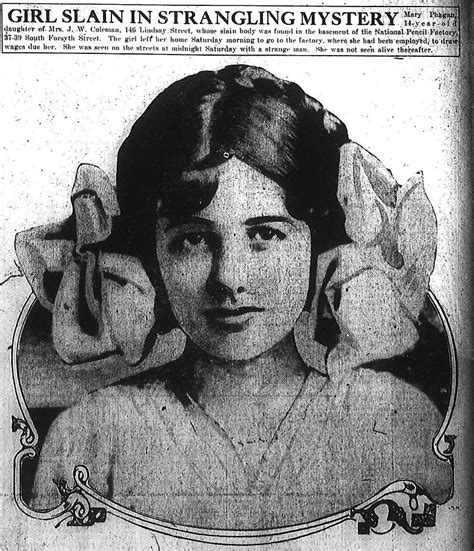
Mary Phagan was a young employee at the National Pencil Company in Atlanta. On the day she disappeared, she went to the factory to collect her wages. Early the next morning, her body was discovered in the factory basement. The brutal nature of the crime shocked the city and generated nationwide newspaper coverage. Public outrage was immediate, and investigators came under enormous pressure to identify the killer.
The Trial of Leo Frank
Police eventually arrested Leo Frank, the factory superintendent. Frank denied murdering Mary Phagan and maintained his innocence throughout the legal proceedings.
A central figure in the prosecution’s case was Jim Conley, a factory janitor who admitted helping dispose of Phagan’s body but testified that Frank committed the murder. Conley’s testimony changed several times during the investigation, making it one of the most disputed aspects of the trial.
In August 1913, Frank was convicted of murder and sentenced to death.

Clemency and Lynching
After exhausting his legal appeals, Georgia Governor John M. Slaton reviewed the trial record. Concluding that significant doubt existed regarding the conviction, he commuted Frank’s death sentence to life imprisonment in June 1915.
The decision provoked widespread outrage throughout Georgia.
On August 17, 1915, a mob abducted Frank from prison and lynched him near Marietta, Georgia. No participant was ever convicted. The lynching became one of the most notorious acts of mob violence in American history.
The Founding of the Anti-Defamation League
The Anti-Defamation League (ADL) was established in September 1913 by Sigmund Livingston under the auspices of B’nai B’rith.
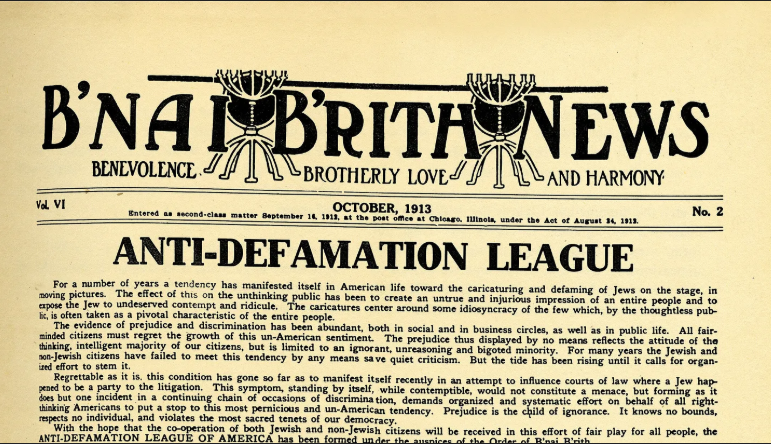
A common claim is that the ADL was founded specifically to defend Leo Frank. Historical evidence does not clearly support that conclusion.
Planning for the organisation had begun before Frank’s conviction, and the ADL states that the organisation was created to combat antisemitism and defamation more broadly. Nevertheless, the Frank case became one of the earliest and most significant events associated with the organisation’s public mission.
Critics argue that Frank’s case became so central to the ADL’s early activities that it effectively shaped the organisation’s identity. Supporters respond that while the case reinforced the importance of the ADL’s mission, it was not the reason for its creation. The disagreement reflects different interpretations of the historical record rather than an established historical fact.
Legacy
More than a century later, the murder of Mary Phagan continues to raise difficult questions about criminal justice, media influence, prejudice, and historical memory.
Mary Phagan is remembered as the young victim whose murder remains one of America’s most discussed unsolved crimes. Leo Frank remains a deeply polarising figure, viewed by some as guilty based on the trial evidence and by many historians as the victim of an unjust conviction and a lynching fuelled in part by antisemitism.
The ADL’s origins likewise remain part of this broader historical discussion. While there is broad agreement about when and by whom the organisation was founded, historians continue to debate how much the Leo Frank case influenced its early development and public identity.
The enduring controversy surrounding the case demonstrates how historical events can be interpreted differently depending on the evidence emphasised, the sources consulted, and the historical framework applied.
By Raging Dissident.