
The Rothschild Dynasty
– Part I
“All Wars are Banker’s Wars”
Whether one agrees with that statement or not, it has become one of the most enduring criticisms of modern finance. In this series, I will explore the origins, timeline, and general history of the Rothschild banking dynasty – one of the most influential financial families in modern history.
The origins of the Dynasty
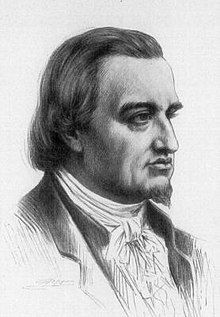
Mayer Amschel Rothschild (23 February 1744 – 19 September 1812), sometimes spelled Anschel, was a German-Jewish banker who founded the Rothschild banking dynasty. Widely regarded as a pioneer of international finance, he was recognised by Forbes in 2005 as one of the twenty most influential businessmen in history.
In 1757, Rothschild secured an apprenticeship with the banking firm of Simon Wolf Oppenheimer in Hanover, where he trained under Jacob Wolf Oppenheimer, a grandson of the prominent financier Samuel Oppenheimer. During this period, he gained valuable expertise in banking, foreign trade, and currency exchange.
After completing his apprenticeship, he returned to Frankfurt in 1763 to join his family’s business, laying the foundations for what would become one of Europe’s most influential financial dynasties.
Through strategic relationships with aristocratic patrons, including William I, Elector of Hesse, and with the support of his five sons, Rothschild expanded his banking enterprise into an international network that would shape European finance for generations.
The Rothschild family is a prominent Ashkenazi Jewish banking dynasty that originated in Frankfurt, Germany. Its rise began with Mayer Amschel Rothschild (1744–1812), who served as a court factor to the Landgraves of Hesse-Kassel and established a banking business in Frankfurt during the 1760s. Through careful planning and the efforts of his five sons, Rothschild created a banking network that extended across Europe, laying the foundations for one of the most influential financial families in modern history.
Banking and Historical Influence
Many historians emphasise the significant role that banking institutions and financial networks have played in shaping political, economic, and social developments throughout history. Discussions surrounding the influence of bankers, central banking systems, and monetary policy remain the subject of ongoing debate among economists, historians, and political thinkers.
One perspective, expressed by Stephen Mitford Goodson, argues that fractional-reserve banking and central banking systems concentrate financial power and should be fundamentally reformed or dismantled. Supporters and critics alike continue to debate these ideas and their implications for economic sovereignty and financial stability.
Regardless of where one stands in these debates, few historians dispute that the growth of international banking houses profoundly influenced the political and economic development of Europe during the eighteenth and nineteenth centuries. The Rothschild family became one of the most prominent examples of that transformation.
Following Mayer Amschel Rothschild’s death in 1812, responsibility for the expanding family enterprise passed to his five sons. Each would go on to establish or manage a banking house in one of Europe’s principal financial centres, creating a financial network that stretched across the continent.
The Five Sons
Rather than concentrating the family’s business in Frankfurt, Mayer Amschel adopted an ambitious strategy. His sons were dispatched to Europe’s major financial capitals, where they established banking houses that remained closely connected while operating independently. This network became one of the defining features of the Rothschild banking dynasty.
The following sections introduce each of the five brothers who helped transform a successful family business into an international financial empire.
The Frankfurt Branch :
Amschel Mayer von Rothschild (1773–1855)
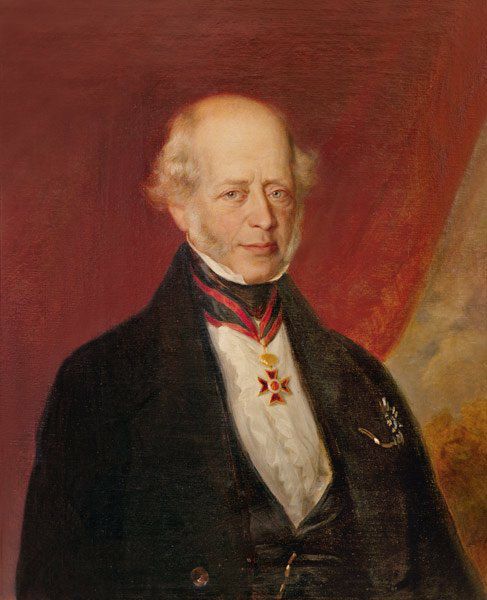
Baron Amschel Mayer von Rothschild (12 June 1773 – 6 December 1855) was a German-Jewish banker and a leading figure of the Rothschild banking dynasty. He was the second child and eldest son of Mayer Amschel Rothschild and Gutlé Rothschild (née Schnapper).
Following his father’s death in 1812, Amschel Mayer assumed leadership of the family’s original banking house in Frankfurt am Main. While he oversaw operations in Frankfurt, his brothers established Rothschild banking institutions in Paris, London, Naples, and Vienna, creating an international financial network that extended across Europe.
In recognition of his status and achievements, Amschel Mayer was ennobled in 1817 and elevated to the rank of Freiherr (Baron) in 1822. He maintained close connections with Orthodox Jewish communities and became widely known among Eastern European Jews as “the pious Rothschild” (der frummer Rothschild), reflecting his reputation for religious devotion.
Amschel Mayer never married and left no direct heirs. Upon his death in 1855, responsibility for the Frankfurt banking house passed to his nephews, including Anselm von Rothschild, Mayer Carl von Rothschild, and Wilhelm Carl von Rothschild, who continued the family’s financial legacy into the next generation.
The Austrian Branch:
Salomon Mayer von Rothschild (1774–1855)
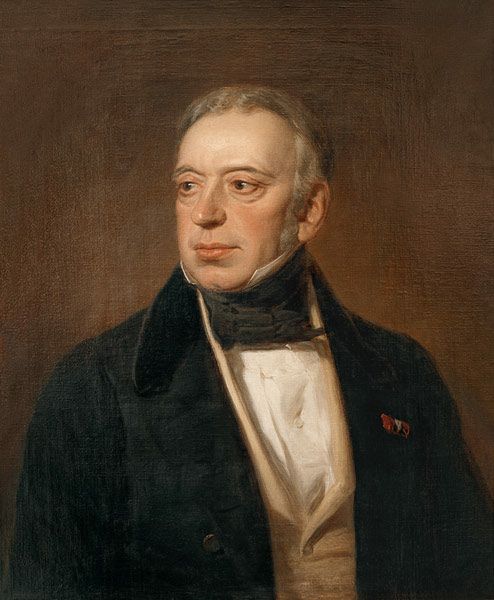
Salomon Mayer von Rothschild (9 September 1774 – 28 July 1855) was a German-born banker who founded the Austrian branch of the Rothschild banking dynasty within the Austrian Empire. Born in Frankfurt am Main, he was the third child and second son of Mayer Amschel Rothschild, the family’s patriarch and founder of its banking enterprise.
In 1800, Salomon married Caroline Stern (1782–1854). Among their children were Anselm Salomon von Rothschild (1803–1874), who married his cousin Charlotte Nathan Rothschild in 1826, and Betty von Rothschild (1805–1886), who married her uncle James Mayer de Rothschild in 1824.
Mayer Amschel’s strategy was straightforward but remarkably effective. While his eldest son remained in Frankfurt to oversee the family’s original banking house, Salomon and his three brothers were sent to Europe’s principal financial centres to establish new branches.
Salomon was entrusted with building the family’s operations in Vienna, laying the foundations of what would become the Austrian Rothschild bank.
The London Branch:
Nathan Mayer Rothschild (1777–1836)
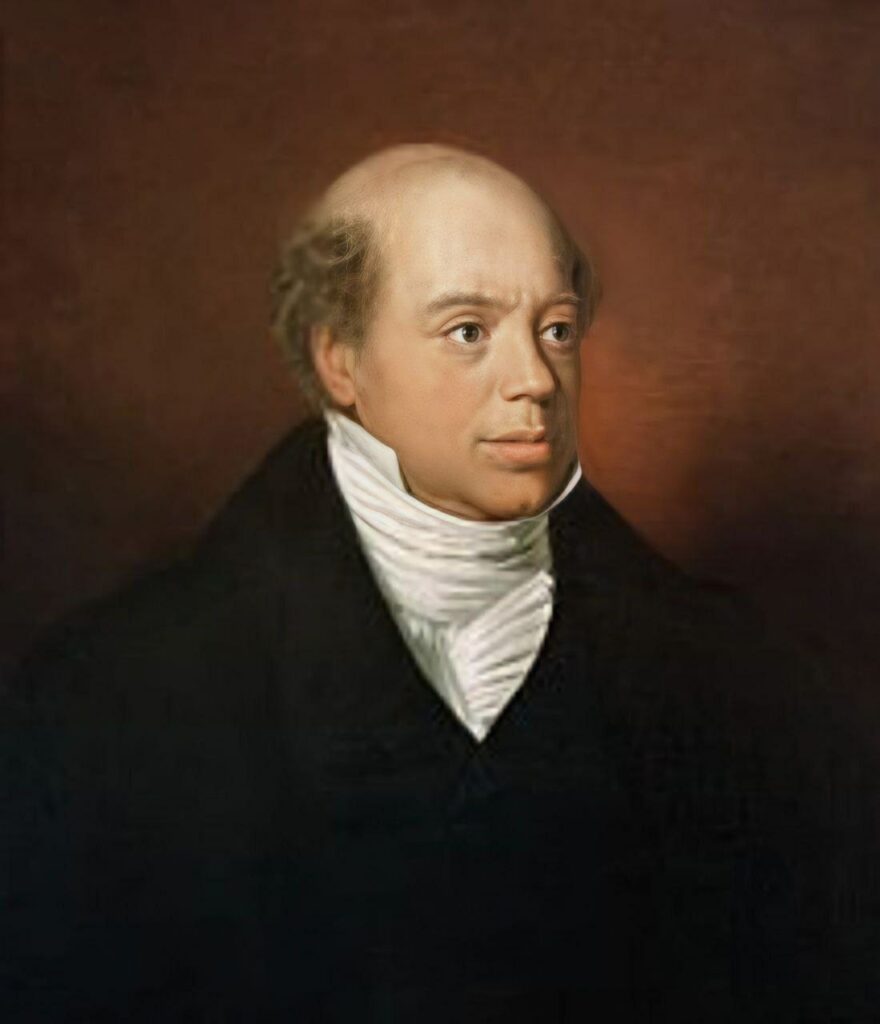
Nathan Mayer Rothschild (16 September 1777 – 28 July 1836) was a German-born British banker, financier, and businessman. Born in Frankfurt am Main, he was the third of five sons of Mayer Amschel Rothschild and Gutle Schnapper Rothschild, representing the second generation of the Rothschild banking family.
In 1798, at the age of twenty-one, Rothschild moved to Manchester, England, where he established a successful textile trading and finance business. He later relocated to London and began operating on the London Stock Exchange in 1804, laying the foundations for what would become one of Europe’s most influential banking enterprises.
Government Finance and the Slave Compensation Loan
Following the abolition of slavery across most of the British Empire, the British government introduced a compensation scheme for slave owners. In connection with this programme, Nathan Rothschild and his business associate, Moses Montefiore, provided the government with a £15 million loan to finance compensation payments.
The loan was ultimately repaid by British taxpayers over many decades, with the final instalments completed in 2015.
Historical records also indicate that Rothschild was connected to slave-owner compensation through a mortgage interest in a plantation in Antigua. The plantation held 158 enslaved people, and he received a compensation payment of £2,571 under the government’s slave compensation programme.
By the early nineteenth century, Nathan Rothschild had become one of the most powerful financiers in Britain, playing a major role in government finance, international banking, and the development of capital markets.
The Famous Rothschild Quote
A quotation frequently attributed to Nathan Rothschild states:
“I care not what puppet is placed upon the throne of England to rule the Empire on which the sun never sets. The man who controls Britain’s money supply controls the British Empire, and I control the British money supply.”
However, historians have disputed the authenticity of this quotation, and no contemporary evidence has been found demonstrating that Rothschild actually made the statement. It is generally regarded as apocryphal and should therefore be treated with caution unless supported by primary historical sources.
The Naples Branch:
Carl Mayer von Rothschild (1788–1855)
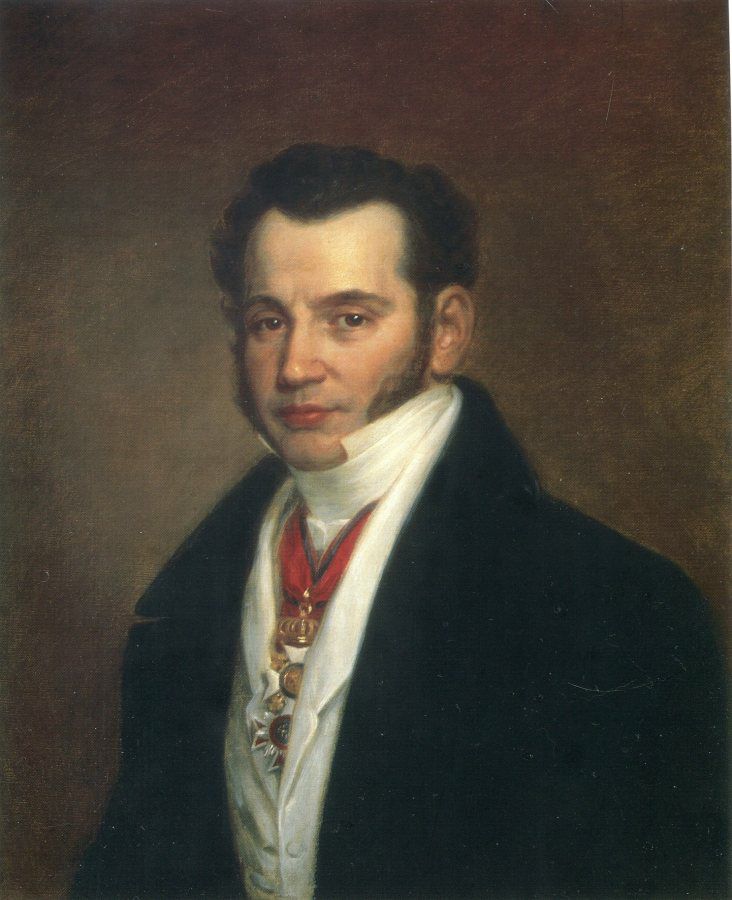
Carl Mayer Freiherr von Rothschild (24 April 1788 – 10 March 1855) established the Naples branch of the Rothschild banking dynasty in the Kingdom of the Two Sicilies.
Born Kalman Mayer Rothschild in Frankfurt am Main, he was the fourth of five sons of Mayer Amschel Rothschild and Gutlé Schnapper. Within the family he was commonly known as “Carl”, although his English relatives often referred to him as “Charles.”
Raised during the rapid expansion of the family’s banking enterprise, Carl received training in his father’s business from an early age. He remained in the family home until the age of twenty-nine, when he purchased a modest residence on Neue Mainzer Strasse in Frankfurt in anticipation of his marriage to Adelheid Herz, whom he married on 16 September 1818.
This marked the beginning of his independent career and his future role in expanding the Rothschild banking network into southern Europe.
The French Branch:
James Mayer de Rothschild (1792–1868)
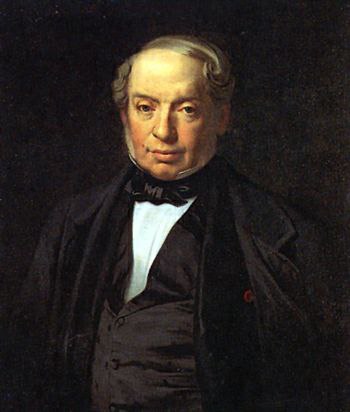
James Mayer de Rothschild (born Jakob Mayer Rothschild, 15 May 1792 – 15 November 1868) was a German-born French banker who established the French branch of the Rothschild banking dynasty.
In 1812, he relocated to Paris to oversee the acquisition of specie and bullion for his brother, Nathan Mayer Rothschild. During the Napoleonic Wars, James played a pivotal role in Nathan’s strategy to finance the armies of the Duke of Wellington during the campaigns of 1814 and 1815.
In 1817, James further expanded the family’s banking network by founding de Rothschild Frères in Paris. By 1823, the firm had become the principal banker to the French government.
On 11 July 1824, in Frankfurt, James married his niece, Betty von Rothschild (1805–1886), daughter of his elder brother Salomon Mayer von Rothschild.
The First Generation’s Legacy
Within a single generation, Mayer Amschel Rothschild and his five sons transformed a Frankfurt banking house into one of the most influential financial networks in Europe. With banking institutions established in Frankfurt, London, Paris, Vienna, and Naples, the family became deeply involved in government finance, international trade, sovereign lending, and capital markets.
Their influence has remained the subject of extensive historical research, economic analysis, and political debate ever since.
Sources: James Mayer de Rothschild biography and the Rothschild Archive.
Looking Ahead
Part II will examine the major milestones that shaped the rise of the Rothschild banking dynasty, exploring the historical events, financial innovations, and political developments that cemented the family’s place in European history.
By Raging Dissident